



- Maintenance
- 6 Minute Read
How Landlords Can Choose a Roofing Contractor
Updated on Sep 1, 2025
Written By:
Verified By:
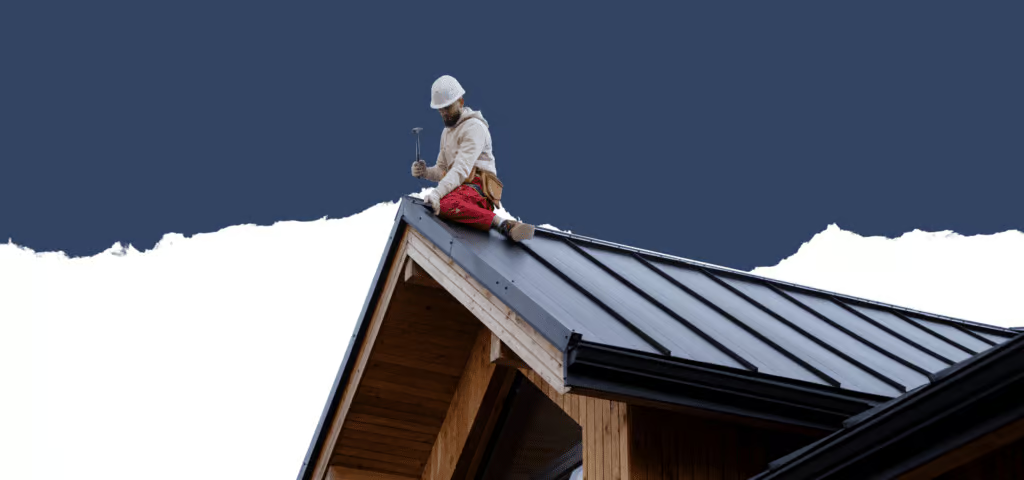
A damaged, sagging, and worn roof could signal to potential tenants that other parts of the home may be in disrepair.
The maintenance of your roof should be at the top of every landlord’s list. Over the years, a run-down, leaky, and neglected roof can cause poor ventilation and water damage, leading to other structural damage to your property.
Working with professional roofers
Severe and freezing weather conditions can be punishing on a roof. Over time, your roof shingles can begin to crack and break. Roofing professionals will inspect the gutters, seals, grout, and chimneys. They will also examine the ceilings inside your home and attic.
If there are any signs of decay or water damage, a roofer will advise you on whether or not you need a new roof. If you notice chipped or broken shingles, water stains, or leaks coming from your ceiling, it’s a sign that you need to hire a roofer to conduct an inspection. Scheduling regular inspections is ideal, especially if you live in northern climates where your roof may be prone to ice dams. Learn about proper maintenance in preventing ice dams during winter months.
What type of roofing materials are there?
Various roofing materials range from affordable, low maintenance, durable, and recyclable.
Asphalt shingles
Asphalt shingle roofing is the most common type in Canada and the United States. It’s affordable, recyclable, durable, and compatible with most weather conditions. The disadvantages are that it has a shorter life span and the color will fade under the sun.
Slate roofing
Slate materials are built from natural stone. Some pros of long-lasting slate roofing are its curb appeal, durability, fire resistance, and environmentally safe inherent qualities. The downside of slate is it can be slippery to walk on, costly, and require special installation.
Metal roofing
Metal roofing is less common but has been available for ages. It ages well, is low-maintenance, recyclable, and is energy efficient. Unfortunately, they can be double the amount of asphalt shingles or more. During heavy rainfall, they produce more noise if the attic isn’t sufficiently insulated or sound abated.
Clay roofing
Clay roofs offer a beautiful visual appeal. Roofs made of clay are standard in dry climates like California. One of the most significant benefits of clay roofing is that if installed properly, it can last for 100 years. Property owners can expect to pay significantly more for this type of roofing project than asphalt shingles.
Reviewing a professional roofing contractor’s quote
Generally, homeowners have two options when looking for roofing services: work with reputable roofing companies or independent contractors.
The contractor or company should provide you with a quote, which should resemble a breakdown of services, labor, and materials, including quantity. There should also be a separate protection plan or roof warranty. Every quote will likely have a different design layout, but if you have a detailed description of services, how many hours of labor is estimated, and pricing, including the square footage of material to be used and the price per board or item, that should be a sufficient estimate.
Here is a good example of a detailed roofer quote versus an estimate that lacks crucial information:
Some common open-ended questions that you can ask the roof contractor include:
- What’s your lead time?
- What else should I know if there’s a repair?
- How does the repair work?
- What are the timelines/steps for the repair or maintenance?
Budgeting for a roofing job
If a ceiling or roof is leaking or sagging, here are some key considerations for budgeting a repair:
- Get multiple quotes to give you the ballpark pricing.
- Understand the element of uncertainty. Occasionally, underlying structural damage can present itself during the teardown, which may add costs to the budget.
- Typically, the price will be higher if there is more area to cover and you choose a more expensive material.
What to look for in an experienced roofing contractor
If you choose to work with a contractor, make sure they have a contractor’s state license. For example, a licensed roofing contractor in California needs to be adept at all roofing installations and repairs. Contractors can waterproof and weatherproof.
To find a roofing company, check for references or with your state roofing association. Alberta has the Alberta Roofing Contractors Association.
Each U.S. state should have a roofing company association. Texas has a construction industry association where you can search for a licensed contractor. Most online contractor associations will include the year the contractor registered or when the company was founded to give you an idea of how long they have been in business.
Review the contractor’s qualifications, certifications, and licenses. Are they capable of preparing the following surfaces and materials:
- Asphaltum
- Tar
- Glass fabric
- Urethane foam
- Metal roofing systems
- Shakes
- Shingles
- Roof tile
What do their Google business reviews say about them? Do they provide quality work and a good response time? Make sure to review their social media pages and check to see if they are a reputable roofing contractor and are registered with the Better Business Bureau.
Working with tenants during roofing projects
While it may be a minor inconvenience to your tenant to coordinate a time for an inspection, your tenant will likely be pleased that you are maintaining the home. Before you send a contractor to the rental to inspect for roof leaks or damage, give the resident written notice in advance.
Always inform them of the project’s duration. Clearly communicating roof repairs or regular maintenance with your tenants will build trust.
Every landlord will have to learn to maintain a regular maintenance schedule and alert tenants every time they plan on visiting the rental property for inspections.
FAQ: Working with a roofer
Choosing an experienced roofer with good reviews is essential. The best way to find a reputable roofer is through recommendations from a trusted source or the local online contractor association. Always read Google Business reviews to ensure the roofer is professional, capable, and completes the project on time.
Typically, the roofer will give you an estimate that prices the project by the square footage of the area where the installation or repair will occur and the type of material needed. The property owner should always shop around for estimates and tell the roofer about the best and most economical material for the region’s weather and the home’s location.
Yes. The contractor should provide a detailed description of the anticipated project completion time and the material, labor, and removal costs, including tax. You can also ask the contractor the following open-ended questions to ensure they are the right person for the job:
- What else should I know if there’s a repair?
- How does the repair work?
- What are the timelines/steps for the repair or maintenance?
Our final thoughts
While a worn out roof can depreciate the appearance of your home, a leaking or sagging roof should be tended to immediately. Work with tenants to help alert you of any signs of leaks or water damage.
Learn more about Maintenance
Learn more about Maintenance
 You Are Reading
 Other Blog Posts In This Series
- How to Manage Rental Property Maintenance Issues
- How to Conduct a Rental Inspection (Checklist Included)
- The Ultimate Preventative Property Maintenance Checklist
- Rental Property Maintenance Costs: How Much Should I Budget?
- Property Management Maintenance: 5 Tips to Keep Costs Down
- Rental Repairs: DIY or Hire a Pro?
- How to Winterize a House: Working With Your Tenants
- Who Should Supply Maintenance Equipment: Tenants or Landlords?
- Are Landlords or Tenants Responsible for Maintenance Tasks?
- Does the Quality of Rental Maintenance Increase When Rent Prices Rise?
- How Fast Should a Landlord Act to Fix Mold Issues?
- Is Rent Withholding Legal If Landlords Don’t Make Repairs?
- How to Find a Drywall Contractor for Your Rental Property
- How Landlords Can Choose a Roofing Contractor
- Hiring a Landscaper for Your Rental Property
- Rental Repairs and Maintenance: What is a Landlord Responsible For?
- Finding an Electrician for Your Rental
- How to Manage the Rental Property Lawn
- How Landlords Can Interview Furnace Repair Companies
- How Landlords Can Hire an Affordable Plumber for Their Rental Property
- Hiring a Repair Person for Your Driveway and Sidewalk Needs
- Hiring an HVAC Contractor and Keeping Up With Maintenance
- Spotting Foundation Issues in Your Rental Property
- Finding a Pool Service for Your Investment Property
- Finding a Painter for Your Rental Property