
- Ontario
- 15 Minute Read
Sublease agreement in Ontario: Rules, responsibilities and what to include
Updated on Nov 3, 2026
Written By:
Verified By:

Subletting in Ontario allows a tenant to temporarily move out of their rental unit and have someone else live there while they’re away. The original tenant plans to return, and their existing lease remains in place.
A sublease agreement is a separate agreement between the original tenant and the person moving in, known as the subtenant. It sets out how long they’ll stay, how much rent they’ll pay and what each person is responsible for.
Subletting is legal in Ontario, but tenants generally need their landlord’s consent before proceeding. There are also rules about how long a sublet can last, how much rent can be charged and who remains responsible if something goes wrong.
Here’s what tenants and landlords need to know before entering into a sublease agreement in Ontario.
Subletting your unit? Screen your potential subtenant with SingleKey before you sign anything. Start screening →
Sublease vs. lease assignment: What’s the difference?
The main difference between a sublease and a lease assignment is whether the original tenant intends to return to the rental property.
With a sublease, the original tenant moves out temporarily and allows someone else to occupy the unit for an agreed period. The original lease stays in place, and the tenant has the right to move back in when the sublet ends.
With a lease assignment, the original tenant transfers their tenancy to someone else permanently. The new tenant takes over the existing lease, including its terms and rental obligations, and the original tenant generally has no right to return.
For example, suppose you’re renting an apartment in Toronto but plan to spend two months working in another city. If you want to return to the same apartment afterward, a sublease may be appropriate.
If you’re moving away permanently and want someone to take over your lease, an assignment is likely the better option.
There’s also an important distinction between subletting and having a roommate. Under Ontario’s Residential Tenancies Act, a legal sublet generally requires the original tenant to vacate the rental unit. If you continue living there and rent a bedroom to someone else, that arrangement is usually considered a roommate or occupant arrangement rather than a sublet.
The Landlord and Tenant Board’s guidance on subtenancies explains how these arrangements are treated under Ontario law.
What tenants need to know before subletting in Ontario
If you’re planning to sublet your rental unit, there are three things to take care of before someone moves in: getting your landlord’s approval, choosing a suitable subtenant and understanding your ongoing responsibilities.
Step 1: Get your landlord’s consent
Under Ontario’s Residential Tenancies Act, tenants generally need their landlord’s consent before subletting their rental unit.
Start by contacting your landlord and explaining why you want to sublet. Include the proposed subtenant’s name, relevant information about them and the dates you plan to be away.
It’s best to make the request in writing, even if you’ve already discussed it in person. That way, both parties have a record of what was requested and approved.
Your landlord cannot arbitrarily or unreasonably withhold consent to a proposed subtenant. However, that doesn’t mean every request must be approved automatically. The landlord can review the proposed arrangement and assess the potential subtenant before making a decision.
If your landlord refuses consent and you believe the refusal is unreasonable, you may be able to apply to Ontario’s Landlord and Tenant Board (LTB) to have the decision reviewed.
You should also confirm that the proposed dates meet Ontario’s rules. A sublet must end on a specified date before the end of the original tenant’s current lease term or rental period.
This is particularly important for month-to-month tenants. In those cases, the sublet must end before the last day of a monthly rental period, which can make longer arrangements more complicated than expected.
Step 2: Find and screen a potential subtenant
Once you’ve discussed the arrangement with your landlord, the next step is finding someone suitable to occupy the unit.
You may already have a friend or acquaintance interested in moving in, or you may need to advertise the rental. Either way, it’s worth checking more than whether the person can move in on your preferred dates.
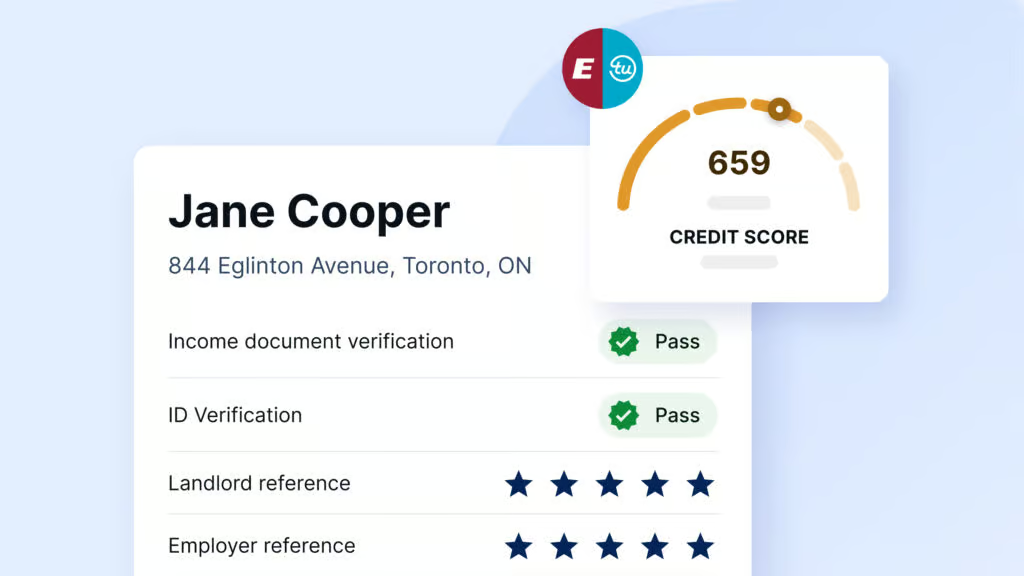
Start by confirming their identity and asking about their employment or source of income. You’ll also want to understand whether they can reasonably afford the rent throughout the sublet period.
Rental references can provide useful information about their previous rental experience, while a credit check may help you understand their payment history and existing financial commitments.
Any credit or background check should be completed with the applicant’s proper consent. It’s also good practice to evaluate potential subtenants consistently using information relevant to the rental decision.
A tenant screening service such as SingleKey can help you review relevant information before committing to the arrangement. If you’re reviewing a credit report for the first time, SingleKey’s guide on how to read a tenant credit report explains what to look for beyond the credit score.
Screening won’t predict exactly how someone will behave, but it can help you identify questions worth addressing before handing over the keys.
Step 3: Know what you’re still responsible for
One of the biggest misconceptions about subletting is that signing a sublease agreement transfers all rental responsibilities to the person moving in.
It doesn’t.
Under Ontario’s Residential Tenancies Act, the original tenant remains responsible to the landlord for their obligations under the lease during an authorized sublet.
Caution: You’re still responsible for the rent. Signing a sublease agreement does not remove the original tenant’s responsibility to the landlord. If the subtenant stops paying rent, the original tenant is still responsible for ensuring the landlord is paid.
For example, suppose your monthly rent is $2,000, and you’ve agreed that your subtenant will pay you the same amount while you’re away.
If the subtenant misses a payment, your landlord can still expect you to pay the $2,000 owed under your original lease. You may then need to pursue the unpaid money from the subtenant separately.
The same principle applies to other tenancy obligations. If the subtenant causes damage or breaches the rental agreement, you may still be held responsible to your landlord.
Your sublease agreement can establish what the subtenant owes you in those situations, but it doesn’t cancel the responsibilities you already have under your original lease.
This is why choosing someone reliable matters, even when the arrangement is only for a short period.
You’re still responsible for the rent. Know who you’re subletting to.
Screen your potential subtenant before signing the agreement. SingleKey can help you review available credit, income, background and rental history information before making a decision.
Screen your subtenantWhat landlords should know about subletting in Ontario
If you’re a landlord, a sublet doesn’t create an entirely new lease between you and the person temporarily occupying your rental property.
Your existing landlord-tenant relationship remains in place. The original tenant continues to hold the tenancy, while the authorized subtenant has an agreement with that tenant.
Ontario’s rules give landlords a role in approving the arrangement, but there are limits on when consent can be refused.
Can a landlord refuse a proposed subtenant?
Yes, but the refusal must not be arbitrary or unreasonable.
Section 97 of Ontario’s Residential Tenancies Act allows tenants to sublet with landlord consent and prevents landlords from arbitrarily or unreasonably withholding that consent.
As a landlord, you can ask for relevant information about the proposed subtenant and review the request before deciding whether to approve it.
If you have legitimate concerns about the applicant or the proposed arrangement, communicate those concerns to the tenant clearly.
You may also recover reasonable out-of-pocket expenses incurred in giving consent to the sublet, as permitted by the Act. However, you cannot charge an arbitrary approval fee.
If a disagreement arises over consent, the tenant may ask the LTB to determine whether the refusal was unreasonable.
What happens if a tenant sublets without permission?
If a tenant transfers occupancy of the rental unit to another person without the required consent, the person occupying the unit may be considered an unauthorized occupant.
Depending on the circumstances, the landlord may apply to the LTB for an order addressing the unauthorized occupancy, including an order ending the tenancy and evicting the occupant.
There are strict deadlines for certain applications. For example, a landlord generally has 60 days after discovering an unauthorized transfer of occupancy to apply for an order terminating the tenancy and evicting the unauthorized occupant.
However, not every additional person living in a rental property is an unauthorized subtenant. If the original tenant continues living in the unit with a roommate, different rules may apply.
Before taking action, landlords should establish whether the arrangement is legally a sublet, an assignment or simply shared occupancy.
What should be included in an Ontario sublease agreement?
A written sublease agreement helps the original tenant and subtenant understand exactly what they’ve agreed to.
Although an agreement doesn’t have to be complicated, it should cover the rental terms, payment arrangements and responsibilities that apply throughout the sublet.
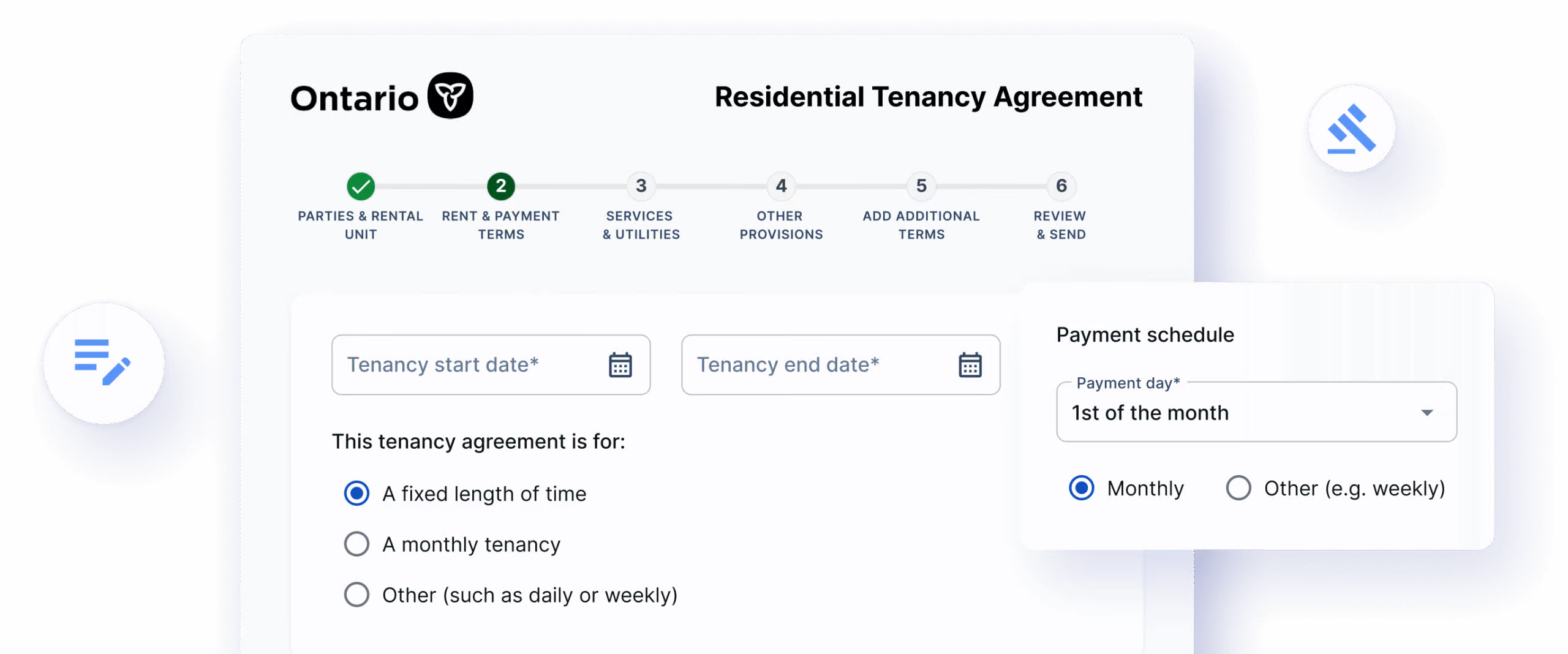
An Ontario sublease agreement should include:
- Names and contact details: The full legal names and contact information of the original tenant and subtenant.
- Rental property information: The complete address of the rental unit, including the unit number and any relevant details about included areas or amenities.
- Original lease details: A reference to the existing tenancy agreement and any lawful terms that continue to apply during the sublet.
- Sublet start and end dates: The exact date the subtenant can move in and the date they must leave. The end date must comply with Ontario’s rules.
- Rent and payment terms: The agreed rent amount, when it’s due, how it will be paid and whether payments go to the original tenant or another agreed recipient.
- Utilities and other expenses: Who will pay for electricity, internet and any other services during the sublet.
- Property-use rules: Relevant rules concerning smoking, common areas, parking and other matters, provided they’re consistent with applicable law.
- Maintenance and damage: The subtenant’s responsibilities for keeping the unit clean, reporting maintenance issues and addressing damage they’re legally responsible for.
- Unpaid rent or agreement breaches: What happens if a payment is missed or another lawful term of the sublease is broken.
- Move-out arrangements: When the subtenant must return possession of the unit, hand back keys and remove their belongings.
- Signatures and dates: Signatures from the original tenant and subtenant confirming their agreement to the terms.
It’s also helpful to document the condition of the rental unit before the subtenant moves in. Photos and a written record of existing damage can make it easier to resolve disagreements when the sublet ends.
Both parties should keep a copy of the signed agreement and any related correspondence.
Do you need an Ontario sublet agreement form or template?
You can use an Ontario sublet agreement template as a starting point, but make sure it reflects your actual arrangement and complies with provincial law.
Ontario’s Standard Form of Lease is used for most new residential tenancies between landlords and tenants. A sublease agreement serves a different purpose: it records the temporary arrangement between the existing tenant and their subtenant.
A separate written sublease agreement is strongly recommended, even if the parties have already agreed verbally to the basic terms.
If you’re using a sample sublet agreement or downloadable PDF, check that it includes a specific end date and doesn’t attempt to override rights or obligations established by Ontario’s Residential Tenancies Act.
For a sublet involving unusual circumstances or disputed terms, getting legal advice before signing can help avoid problems later.
Can you charge a subtenant more rent in Ontario?
No. Under Ontario’s Residential Tenancies Act, a tenant cannot charge a subtenant more rent than the landlord lawfully charges for the rental unit.
For example, if you’re paying $1,900 per month for your apartment, you cannot sublet it for $2,200 per month simply because rental prices in the neighbourhood have increased.
Section 134 of the Act also restricts additional charges connected to subletting. Tenants cannot avoid the rent limit by requiring unauthorized fees or extra payments as a condition of the sublet.
If you’re preparing a sublease agreement, use the rent amount permitted under your existing tenancy rather than the current market rate.
Screen a potential subtenant with SingleKey
A sublease agreement sets out the terms of the arrangement, but choosing the right person starts before anything is signed.
Reviewing a prospective subtenant’s income, credit history and rental background can help you assess their ability to meet the rental obligations and clarify any concerns early.
SingleKey’s Tenant Screening Report brings together credit information, income and employment verification, available rental history and background information in one place. Depending on the report and information available, it can also help verify identity and identify relevant public records.
You can invite the applicant to provide their information and consent through SingleKey’s screening process, rather than collecting sensitive credit information yourself.
A screening report doesn’t guarantee that someone will pay rent on time or care for the property, but it can give you useful information to consider alongside references and your conversations with the applicant.
Before finalizing your Ontario sublease agreement, make sure the proposed arrangement follows the applicable rental rules, the terms are clearly documented and you’ve reviewed the person who will be occupying the unit.
Screen your subtenant before you sign
Get a clearer picture of your potential subtenant before entering into a sublease agreement.
Start screening