Financial and legal support in case of missed rent payments, lease break, property damage.
Here’s how we’ve helped our housing providers take the risk out of renting.
Simplify property management and protect your rental income—all in one platform.
Increase your applicant pool and fill vacancies faster.
Get credit and financial data from both credit bureaus to see the full picture
Easy, mobile friendly, and comprehensive online rental application form
We will contact your tenant’s references and share a recording and summary of the call
Search eviction court records from Openroom, CanLII, and SOQUIJ
AI-powered scan of income documents to detect signs of tampering or fraud
Confirm a tenant’s identity with AI-powered ID verification and liveness check
Free Lease Agreement Forms for each province in one place
Conversations on real estate trends and property management strategies
Local tools and resources to help you manage your rental property successfully
Learn how to solve renting challenges from our experts
Articles on how to navigate the in-app SingleKey experience
A look at Canada’s average renter profile, affordability, and risk trends based SingleKey’s Q3 2025 rental applications
Get approved for any lease by showing landlords you’re a risk free tenant
Stand out from other applicants with the background check trusted by landlords
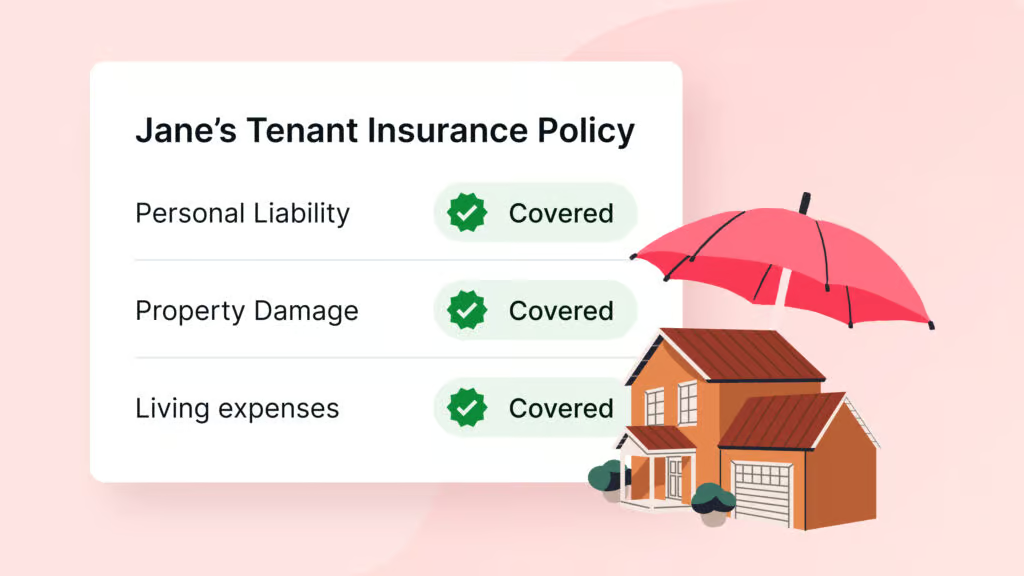
Affordable tenant insurance to protect renter's property and liability
Build your credit with every rent payment
Financial and legal support in case of missed rent payments, lease break, property damage.
Here’s how we’ve helped our housing providers take the risk out of renting.
Simplify property management and protect your rental income—all in one platform.
Increase your applicant pool and fill vacancies faster.
Free Lease Agreement Forms for each province in one place
Conversations on real estate trends and property management strategies
Local tools and resources to help you manage your rental property successfully
Learn how to solve renting challenges from our experts
Articles on how to navigate the in-app SingleKey experience
A look at Canada’s average renter profile, affordability, and risk trends based SingleKey’s Q3 2025 rental applications
Get approved for any lease by showing landlords you’re a risk free tenant
Stand out from other applicants with the background check trusted by landlords
Affordable tenant insurance to protect renter's property and liability
Build your credit with every rent payment
A rental application is used before approval to collect and review applicant information, while a tenancy agreement is used after approval to set out the rental terms.
Used before tenant screening to collect information and help the landlord make an informed decision.
Used after approval to set out the rental terms and formalize the tenancy between the landlord and tenant.
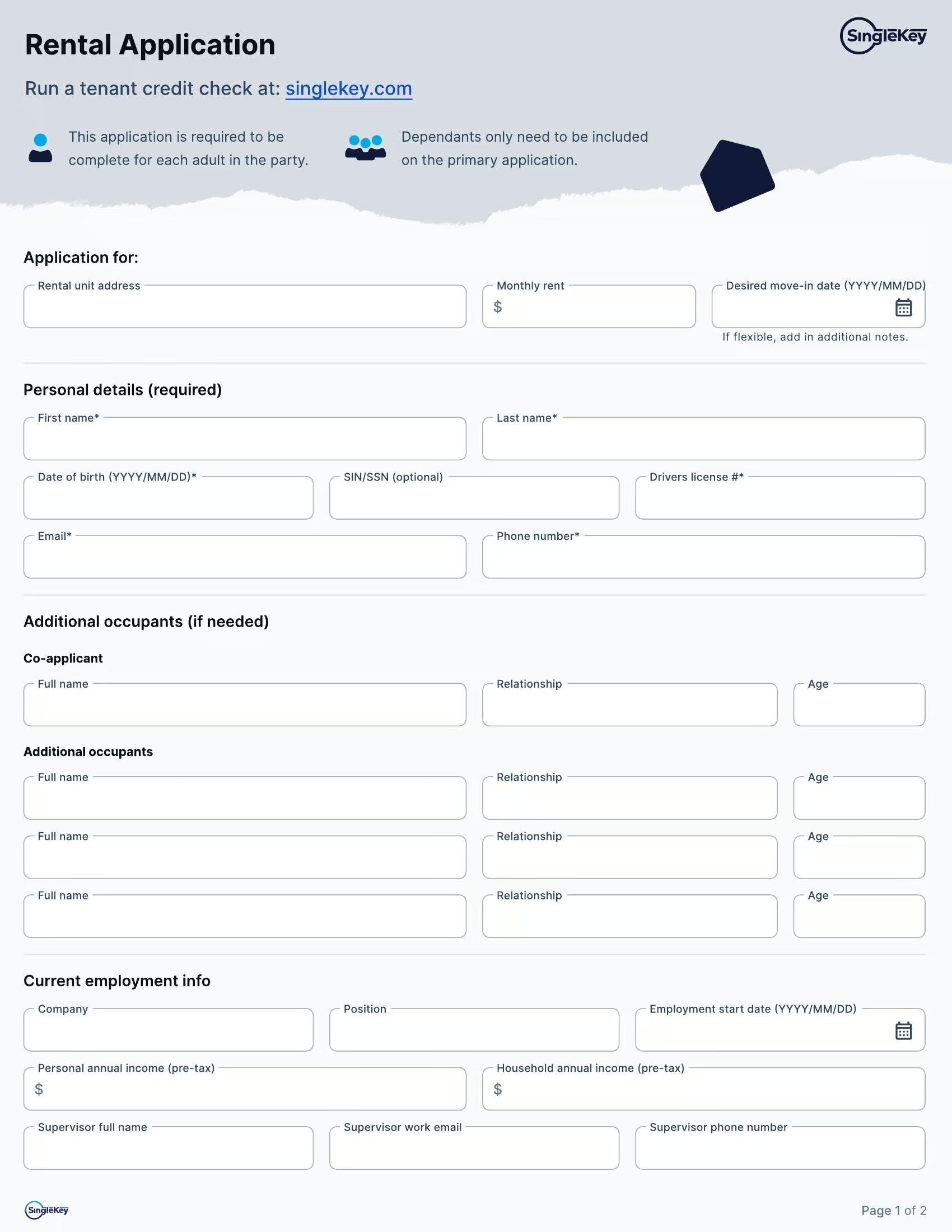
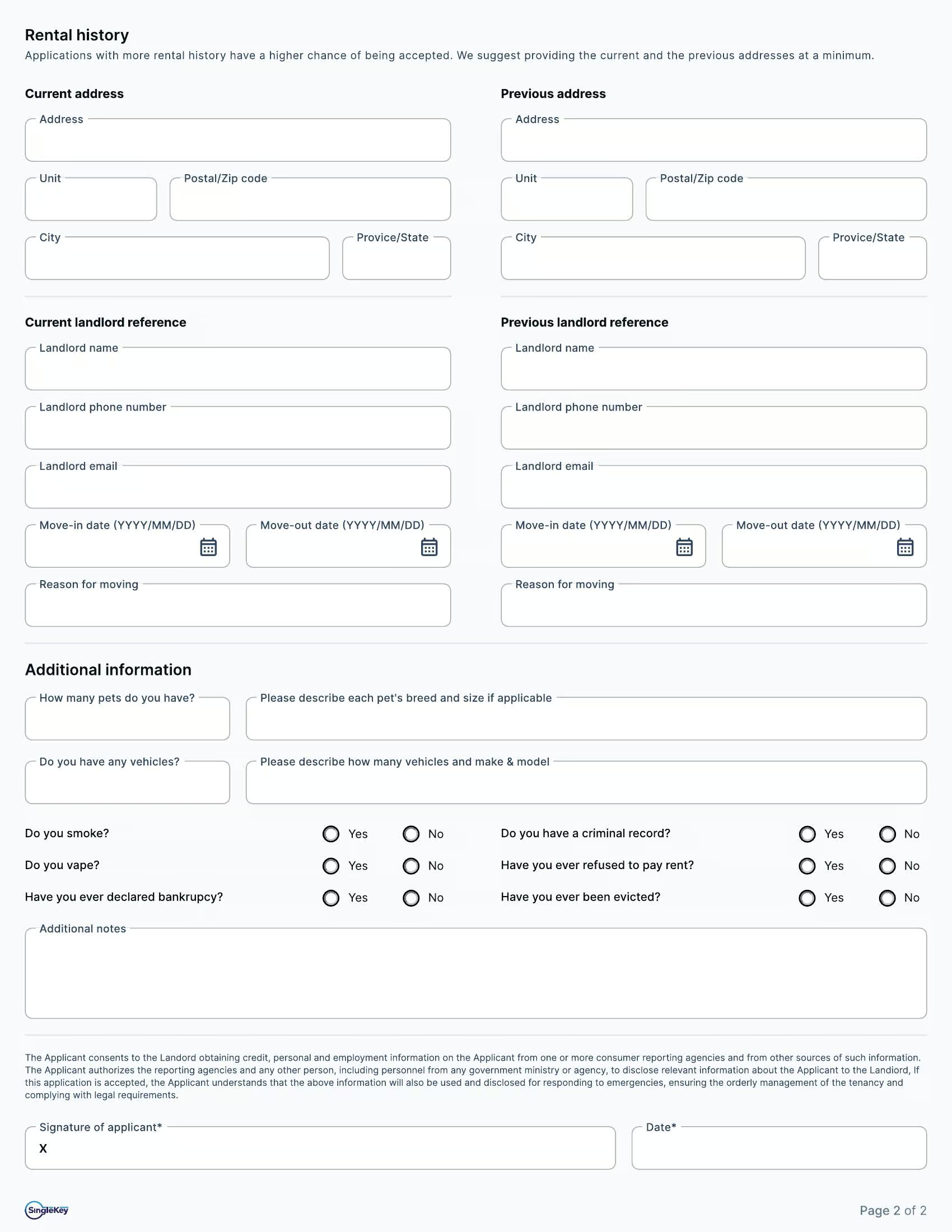
Each section of the form collects a different part of the applicant’s background, from contact details to rental history, employment and references.
Current and previous rental details.
Landlord, personal or professional references.
A rental application helps you collect applicant details, but it’s only one step in the rental process. Here’s what can happen before and after the application.
Ask early qualifying questions before sending a full rental application.
Download the rental application form and collect key applicant details.
A rental application helps you collect applicant details, but it’s only one step in the rental process. Here’s what can happen before and after the application.
A rental application form helps landlords collect key details from someone who wants to rent their property. It usually asks for contact information, rental history, employment or income details, references, and consent for tenant screening.
The tenant candidate usually fills out the rental application. If more than one adult will live in the unit, the landlord may ask each person to complete their own application.
No. A rental application is used before approval to collect and review applicant information. A lease is signed after approval and sets out the terms of the tenancy. Once an applicant is approved, landlords can create and sign the lease online with eLease where available.
Learn more about the difference between prescreening and rental applications.
Landlords can usually ask for information that helps them assess the application, such as contact details, rental history, employment and income information, references, and consent for screening or credit checks.
A rental application should include the details a landlord needs to review the applicant, such as contact information, rental history, employment and income details, references, and consent for screening or credit checks.
Yes, if they have the applicant’s consent. Many landlords use the rental application as part of the tenant screening process, which may include a credit check, income verification and reference checks.
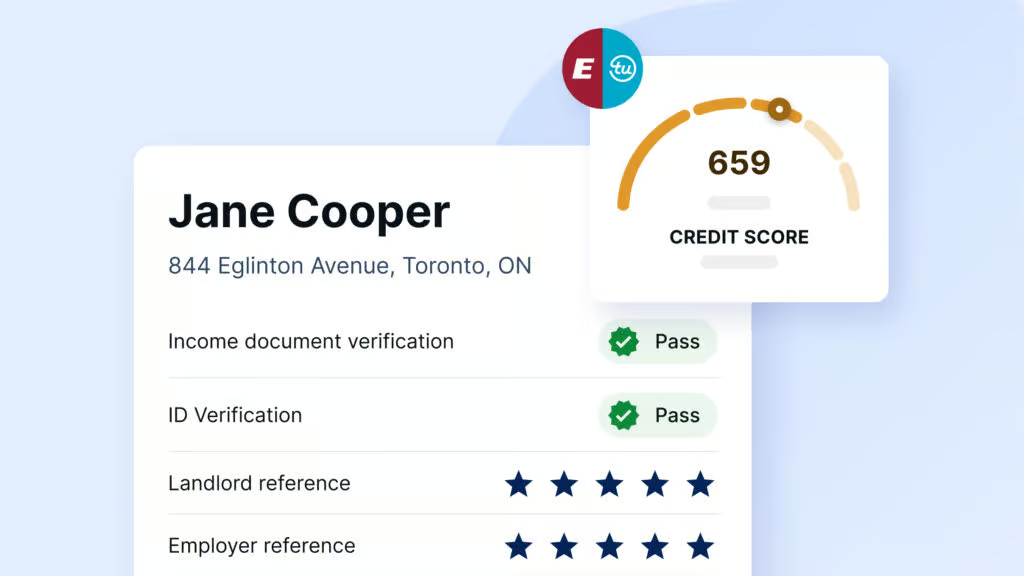
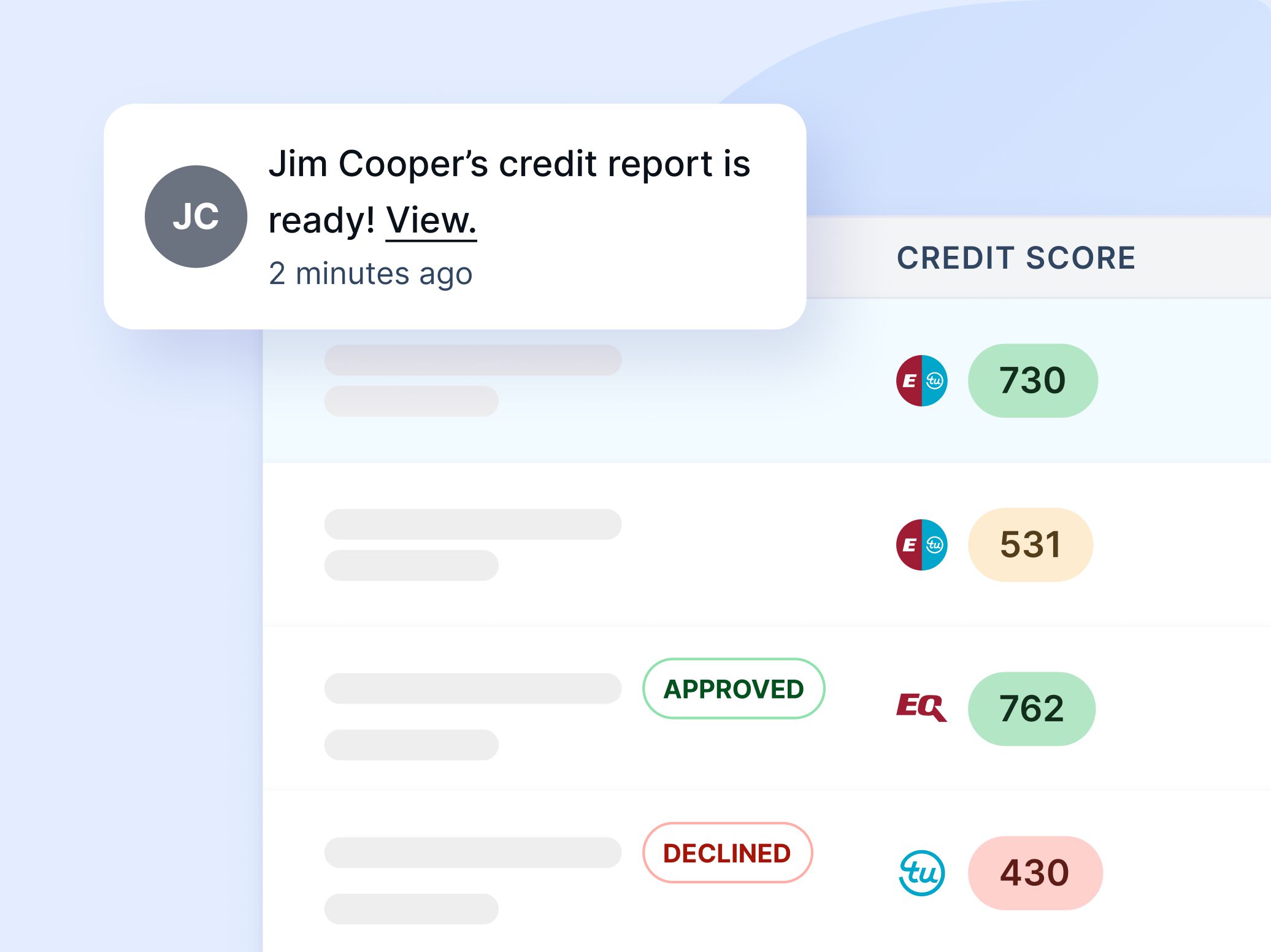
With SingleKey’s Tenant Report, landlords can choose an Equifax, TransUnion or Dual Credit Report and review credit information alongside income and employment details, references, public records, document checks and ID verification. This gives landlords a fuller view of the applicant before making a rental decision.
Rental applications are commonly used across Canada, but the rules can vary by province. Even when an application is not required, it can help landlords collect applicant details in a consistent way before moving to tenant screening.
After the application is submitted, the landlord usually reviews the details, checks references and verifies income if needed. The next step is often tenant screening, which can help verify credit, income, identity and background information before approval. Once the applicant is approved, the landlord can move on to creating and signing the lease.
A rental application form helps landlords collect key details from someone who wants to rent their property. It usually asks for contact information, rental history, employment or income details, references, and consent for tenant screening.
The tenant candidate usually fills out the rental application. If more than one adult will live in the unit, the landlord may ask each person to complete their own application.
No. A rental application is used before approval to collect and review applicant information. A lease is signed after approval and sets out the terms of the tenancy. Once an applicant is approved, landlords can create and sign the lease online with eLease where available.
Learn more about the difference between prescreening and rental applications.
Landlords can usually ask for information that helps them assess the application, such as contact details, rental history, employment and income information, references, and consent for screening or credit checks.
A rental application should include the details a landlord needs to review the applicant, such as contact information, rental history, employment and income details, references, and consent for screening or credit checks.
Yes, if they have the applicant’s consent. Many landlords use the rental application as part of the tenant screening process, which may include a credit check, income verification and reference checks.
With SingleKey’s Tenant Report, landlords can choose an Equifax, TransUnion or Dual Credit Report and review credit information alongside income and employment details, references, public records, document checks and ID verification. This gives landlords a fuller view of the applicant before making a rental decision.
Rental applications are commonly used across Canada, but the rules can vary by province. Even when an application is not required, it can help landlords collect applicant details in a consistent way before moving to tenant screening.
After the application is submitted, the landlord usually reviews the details, checks references and verifies income if needed. The next step is often tenant screening, which can help verify credit, income, identity and background information before approval. Once the applicant is approved, the landlord can move on to creating and signing the lease.