Free Ontario rental application form

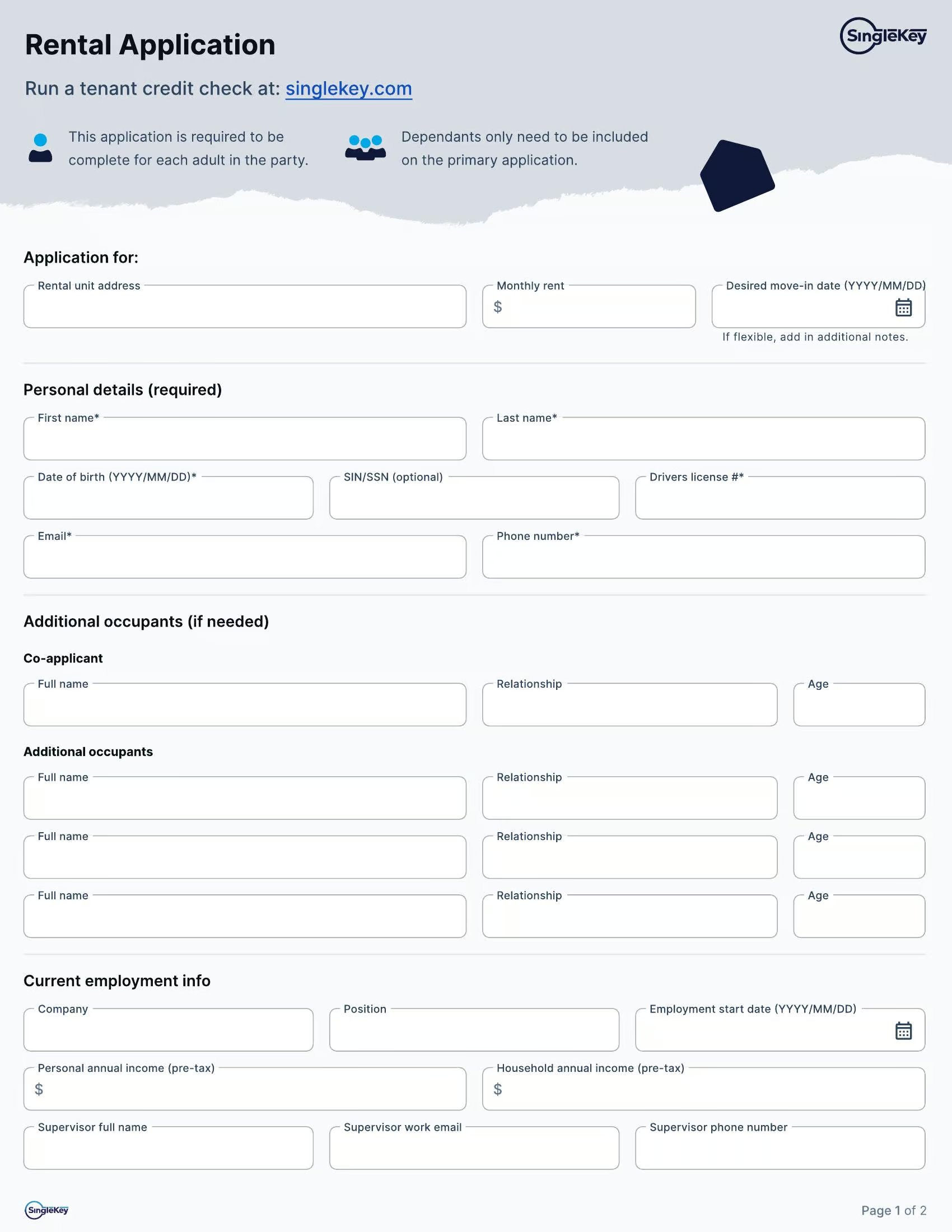
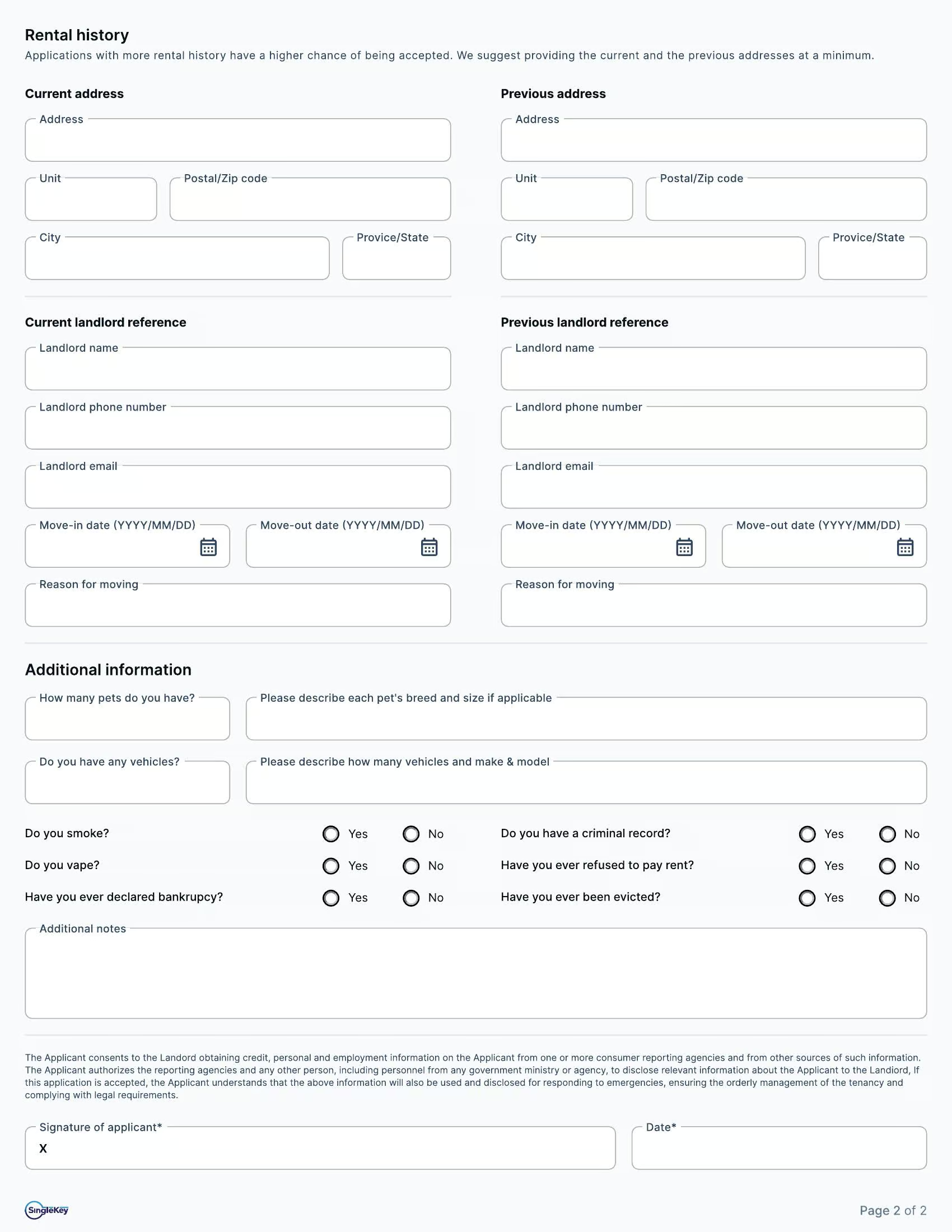
Use this free Ontario rental application PDF form to collect applicant details, rental history, employment information and references. When you’re ready to verify an applicant, SingleKey can help you run tenant screening and collect consent digitally.

Preview the form

BC rental application page 1 BC rental application page 2

This template includes:

Looking for a different province?

Choose the rental application form that matches where your rental property is located.

location_on

BC rental application form

chevron_right
language

Canada rental application form

chevron_right
description

Other provinces resources

chevron_right

Use this form to

person

Collect applicant details

house

Request rental history

mark_chat_read

Document screening consent

payments

Collect income details

miscellaneous_services

Keep applicants consistent

Ontario rental application vs. Ontario tenancy agreement

An Ontario rental application is used to collect and review applicant information before you choose a tenant, while an Ontario tenancy agreement is signed afterward to set the terms of the tenancy.

Ontario rental application

Completed by the applicant so you can review their details before deciding who rents the unit.

VS

Ontario tenancy agreement

Signed once you’ve chosen a tenant to set out the rent, terms and responsibilities for the tenancy.

What's included in the form?

Each section of the form collects a different part of the applicant’s background, from contact details to rental history, employment and references.

person

Applicant information

Name, phone number, email and current address.
house

Rental history

Current and previous rental details.

work

Employment/income verification

Employment status, employer and income details.
call

References

Landlord, personal or professional references.

mark_chat_read

Screening consent

Permission to verify applicant information.
edit_note

Signature & date

Applicant confirmations and date.

Collected the application already?

What comes before and after a rental application?

 A rental application helps you collect applicant details, but it’s only one step in the rental process. Here’s what can happen before and after the application.

person

Pre-screening

Ask early qualifying questions before sending a full rental application.

description

Rental application

Download the rental application form and collect key applicant details.

verified

Tenant screening

edit_note

Lease creation

Create and sign the lease online after you’ve reviewed and approved your rental applicant.

Don't stop at the application

A rental application helps you collect applicant details, but it’s only one step in the rental process. Here’s what can happen before and after the application.

Frequently asked questions

Ontario rental application form FAQs

An Ontario rental application form helps landlords collect information from someone who wants to rent their property. It typically covers contact details, rental history, employment and income information, references and consent for tenant screening.

No, there’s no legal requirement to use one, but most Ontario landlords do. It’s a practical first step that helps you gather the information you need before deciding whether to move ahead with screening and approval.

A good application collects everything you need to review a prospective tenant: contact details, current and past rental history, employment and income information, references, who will be living in the unit and written consent for screening or credit checks.

Once an applicant is approved, landlords can create and sign the lease online with eLease where available. Learn more about the difference between prescreening and rental applications.

Ontario’s Human Rights Code prevents landlords from asking about things like ethnicity, religion, citizenship status, marital status, whether the applicant has children, or whether they receive social assistance. Stick to questions that relate to the tenancy itself, like income, rental history and references.

OREA Form 410 is an Ontario rental application form used to collect applicant information before tenant screening. SingleKey’s free Ontario rental application form serves the same purpose and includes rental history, income details, references and screening consent.

Yes, as long as the applicant has given consent. Many landlords use the application to collect the essentials first, then run a tenant screening report to verify credit, income, identity and background before making a decision.

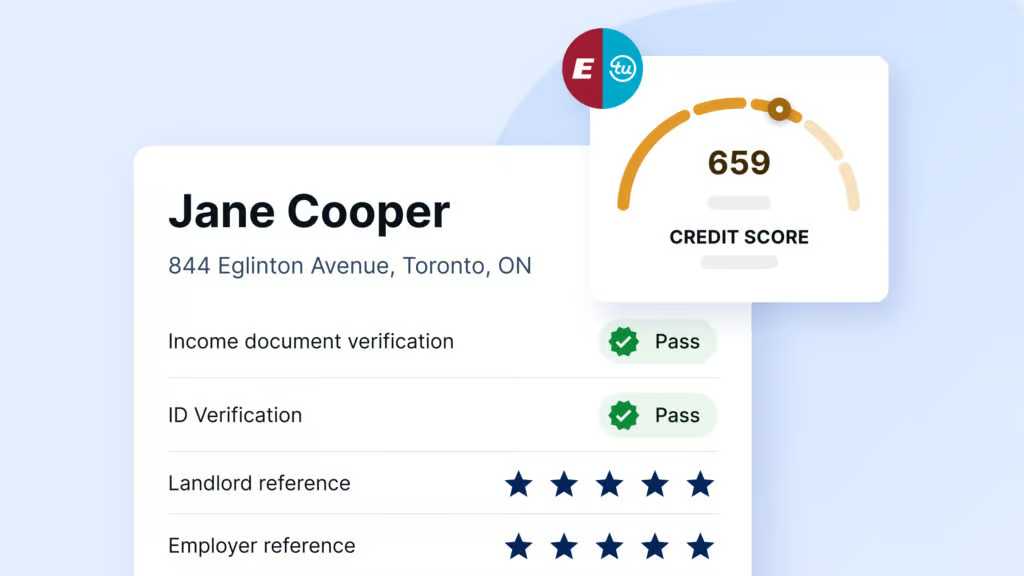
With SingleKey’s Tenant Report, landlords can choose an Equifax, TransUnion or Dual Credit Report and review credit information alongside income and employment details, references, public records, document checks and ID verification. This gives landlords a fuller view of the applicant before making a rental decision.

Yes. Just keep in mind that income works best as one factor among several, reviewed alongside rental history, references and credit. SingleKey’s Tenant Report includes income and employment verification as part of a full tenant screening.

Ontario rental applicants are not required to provide their Social Insurance Number, and landlords shouldn’t make it a condition of applying. Credit checks can be run without a SIN using the applicant’s name, date of birth and address history.

Every adult who will be signing the lease should complete an application, since each one may be screened individually. Occupants who won’t be on the lease, like minor children, only need to be listed in the occupant section.

An Ontario rental application form helps landlords collect the information they need from prospective tenants. It typically covers contact details, rental history, employment and income, references, and written consent for tenant screening — giving you a clear picture of an applicant before you decide whether to move forward.

No. There’s no legal requirement to use one, but most Ontario landlords do. It’s a practical first step that lets you gather the information you need before deciding whether to move ahead with screening and approval.

A good application collects everything you need to review a prospective tenant: contact details, current and past rental history, employment and income information, references, who will be living in the unit and written consent for screening or credit checks.

Once an applicant is approved, landlords can create and sign the lease online with eLease where available. Learn more about the difference between prescreening and rental applications.

Ontario’s Human Rights Code prevents landlords from asking about things like ethnicity, religion, citizenship status, marital status, whether an applicant has children, or whether they receive social assistance. Stick to questions tied directly to the tenancy — income, rental history, and references.

OREA Form 410 is a standard Ontario rental application used to collect applicant information before tenant screening. SingleKey’s free Ontario rental application form serves the same purpose, capturing rental history, income details, references, and screening consent.

Yes, as long as the applicant has given consent. Many landlords use the application to collect the essentials first, then run a tenant screening report to verify credit, income, identity and background before making a decision.

With SingleKey’s Tenant Report, landlords can choose an Equifax, TransUnion or Dual Credit Report and review credit information alongside income and employment details, references, public records, document checks and ID verification. This gives landlords a fuller view of the applicant before making a rental decision.

Yes. Just keep in mind that income works best as one factor among several, reviewed alongside rental history, references and credit. SingleKey’s Tenant Report includes income and employment verification as part of a full tenant screening.

Ontario applicants aren’t required to provide their Social Insurance Number, and landlords shouldn’t make it a condition of applying. Credit checks can be run without a SIN using the applicant’s name, date of birth, and address history.

Every adult who will sign the lease should complete an application, since each one may be screened individually. Occupants who won’t be on the lease, such as minor children, only need to be listed in the occupant section.