Screen tenants, protect rent, and manage your portfolio
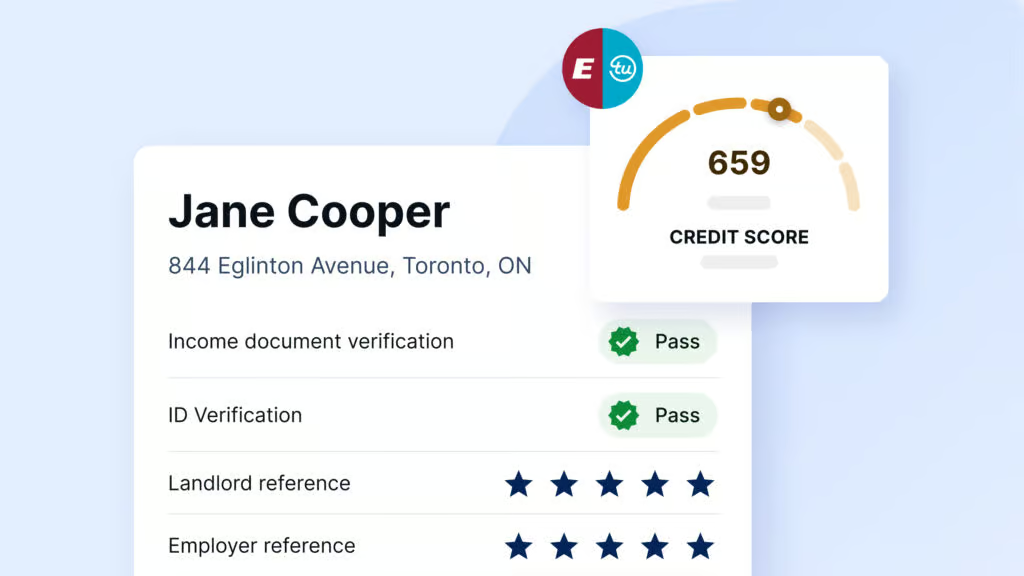
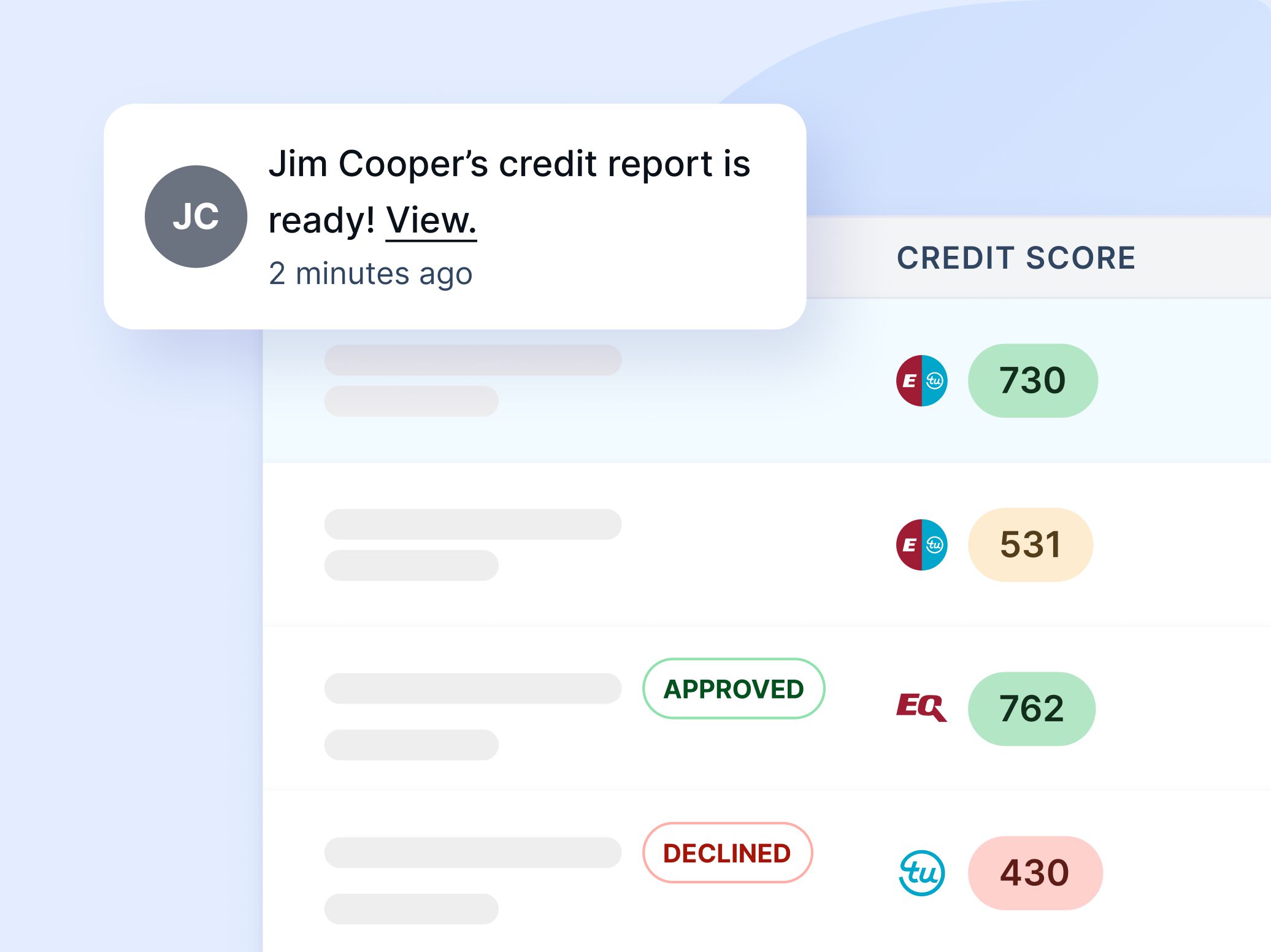
Credit, income, background, and eviction checks
Approve more renters and fill vacancies faster
Screen tenants and protect your clients’ rental income
Credit, income, background, and eviction checks
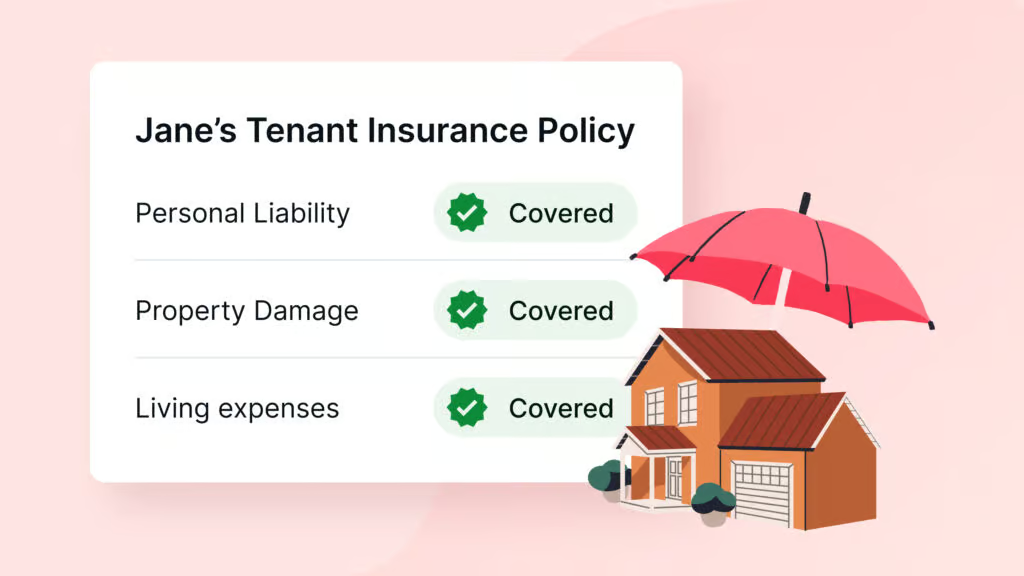
Protect clients against unpaid rent and damage
Explore rental market insights, tips, and guides
Download free lease templates for your province
Download free rental application forms
Check if an applicant’s income can cover rent
Understand rental laws in your province
Credit, income, background, and eviction checks
Protect against unpaid rent, damage, and eviction costs
Collect rent automatically via Interac or PAD
Create and sign leases online
Pre-screen applicants before scheduling viewings
Credit, income, background, and eviction checks
Protect against unpaid rent, damage, and eviction costs
Collect rent automatically via Interac or PAD
Create and sign leases online
Pre-screen applicants before scheduling viewings
Credit, income, background, and eviction checks
Protect against unpaid rent, damage, and eviction costs
Collect rent automatically via Interac or PAD
Create and sign leases online
Pre-screen applicants before scheduling viewings
Credit, income, background, and eviction checks
Protect against unpaid rent, damage, and eviction costs
Collect rent automatically via Interac or PAD
Create and sign leases online
Pre-screen applicants before scheduling viewings
A look at Canada’s average renter profile, affordability, and risk trends based SingleKey’s renter data.
Explore rental market insights, tips, and guides
Download free lease templates for your province
Download free rental application forms
Check if an applicant’s income can cover rent
Understand rental laws in your province
A look at Canada’s average renter profile, affordability, and risk trends based SingleKey’s renter data.
Explore rental market insights, tips, and guides
Download free lease templates for your province
Download free rental application forms
Check if an applicant’s income can cover rent
Understand rental laws in your province
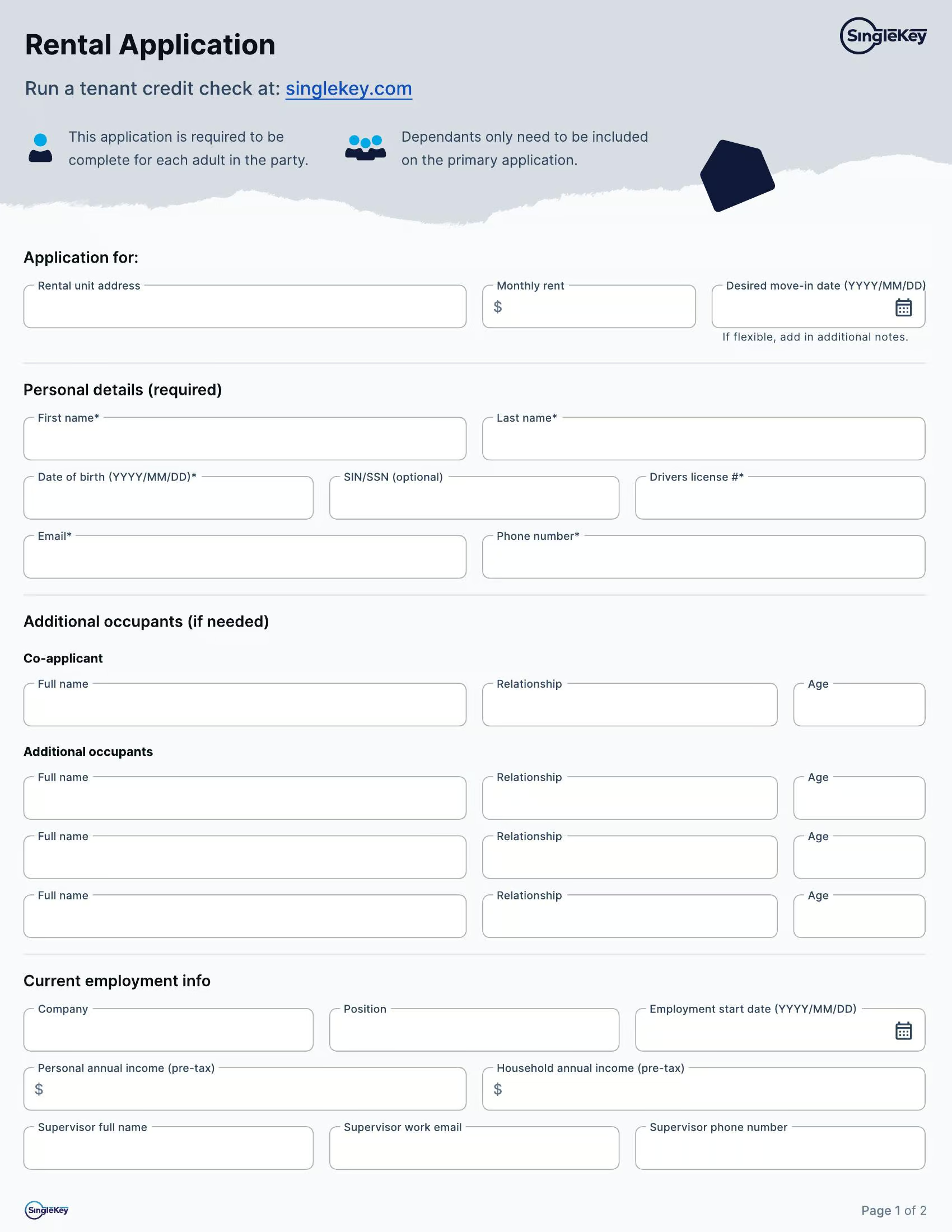
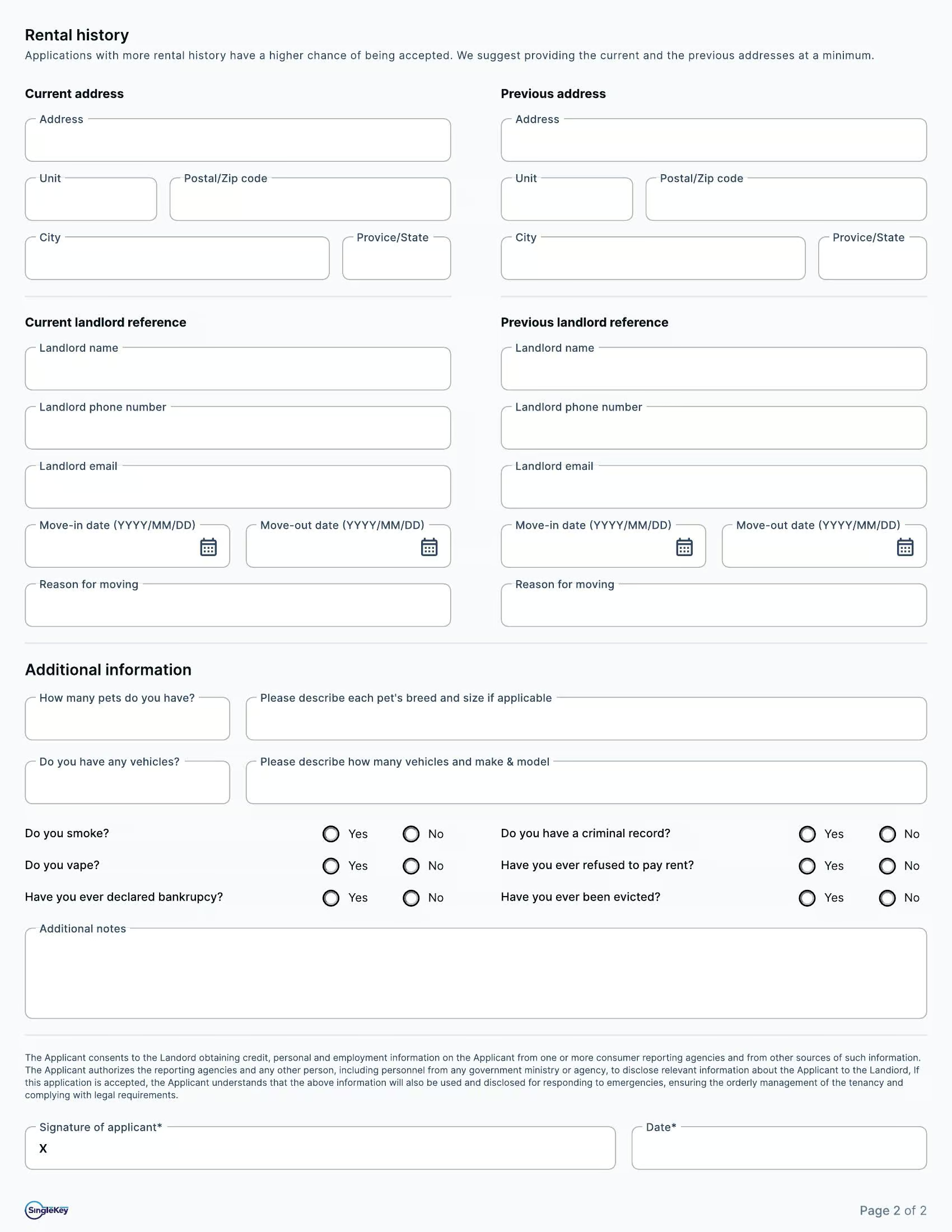
Use this free BC rental application form PDF to collect applicant details for a rental property in British Columbia, including rental history, employment information and references. When you’re ready to take the next step, SingleKey can help you verify the applicant with tenant screening.
A BC rental application is used to collect and review applicant information before you choose a tenant, while a BC tenancy agreement is signed afterward to set the terms of the tenancy.
Completed by the applicant so you can review their details before deciding who rents the unit.
Signed once you’ve chosen a tenant to set out the rent, terms and responsibilities for the tenancy.
Each section of the form collects a different part of the applicant’s background, from contact details to rental history, employment and references.
Current and previous rental details.
Landlord, personal or professional references.
A rental application helps you collect applicant details, but it’s only one step in the rental process. Here’s what can happen before and after the application.
Ask early qualifying questions before sending a full rental application.
Download the rental application form and collect key applicant details.
A rental application helps you collect applicant details, but it’s only one step in the rental process. Here’s what can happen before and after the application.
A BC rental application form helps landlords collect information from someone who wants to rent their property. It typically covers contact details, rental history, employment and income information, references and consent for tenant screening.
No, there’s no legal requirement to use one, but most landlords do. It gives you a consistent way to gather applicant information before deciding whether to move ahead with screening.
A good application collects everything you need to review a prospective tenant: contact details, current and past rental history, employment and income information, references, who will be living in the unit and written consent for screening or credit checks.
BC’s Human Rights Code prevents landlords from asking about things like race, religion, ancestry, marital status, family status, sexual orientation or whether the applicant receives income assistance. Stick to questions that relate to the tenancy itself, like income, rental history and references.
Yes, as long as the applicant has given consent. Many landlords use the application to collect the essentials first, then run a tenant screening report to verify credit, income, identity and background before making a decision.
With SingleKey’s Tenant Report, landlords can choose an Equifax, TransUnion or Dual Credit Report and review credit information alongside income and employment details, references, public records, document checks and ID verification. This gives landlords a fuller view of the applicant before making a rental decision.
Yes. Just keep in mind that income works best as one factor among several, reviewed alongside rental history, references and credit. SingleKey’s Tenant Report includes income and employment verification as part of a full tenant screening.
Applicants are not required to provide their Social Insurance Number, and landlords shouldn’t make it a condition of applying. Credit checks can be run without a SIN using the applicant’s name, date of birth and address history.
The landlord reviews the details, checks references and verifies income if needed, then decides whether to move into screening. A screening report confirms credit, income, identity and background before approval. Once the applicant is approved, the next step is signing the tenancy agreement and collecting the security deposit.
A BC rental application form helps landlords collect information from someone who wants to rent their property. It typically covers contact details, rental history, employment and income information, references and consent for tenant screening.
No, there’s no legal requirement to use one, but most landlords do. It gives you a consistent way to gather applicant information before deciding whether to move ahead with screening.
A good application collects everything you need to review a prospective tenant: contact details, current and past rental history, employment and income information, references, who will be living in the unit and written consent for screening or credit checks.
BC’s Human Rights Code prevents landlords from asking about things like race, religion, ancestry, marital status, family status, sexual orientation or whether the applicant receives income assistance. Stick to questions that relate to the tenancy itself, like income, rental history and references.
Yes, as long as the applicant has given consent. Many landlords use the application to collect the essentials first, then run a tenant screening report to verify credit, income, identity and background before making a decision.
With SingleKey’s Tenant Report, landlords can choose an Equifax, TransUnion or Dual Credit Report and review credit information alongside income and employment details, references, public records, document checks and ID verification. This gives landlords a fuller view of the applicant before making a rental decision.
Yes. Just keep in mind that income works best as one factor among several, reviewed alongside rental history, references and credit. SingleKey’s Tenant Report includes income and employment verification as part of a full tenant screening.
Applicants are not required to provide their Social Insurance Number, and landlords shouldn’t make it a condition of applying. Credit checks can be run without a SIN using the applicant’s name, date of birth and address history.
The landlord reviews the details, checks references and verifies income if needed, then decides whether to move into screening. A screening report confirms credit, income, identity and background before approval. Once the applicant is approved, the next step is signing the tenancy agreement and collecting the security deposit.