



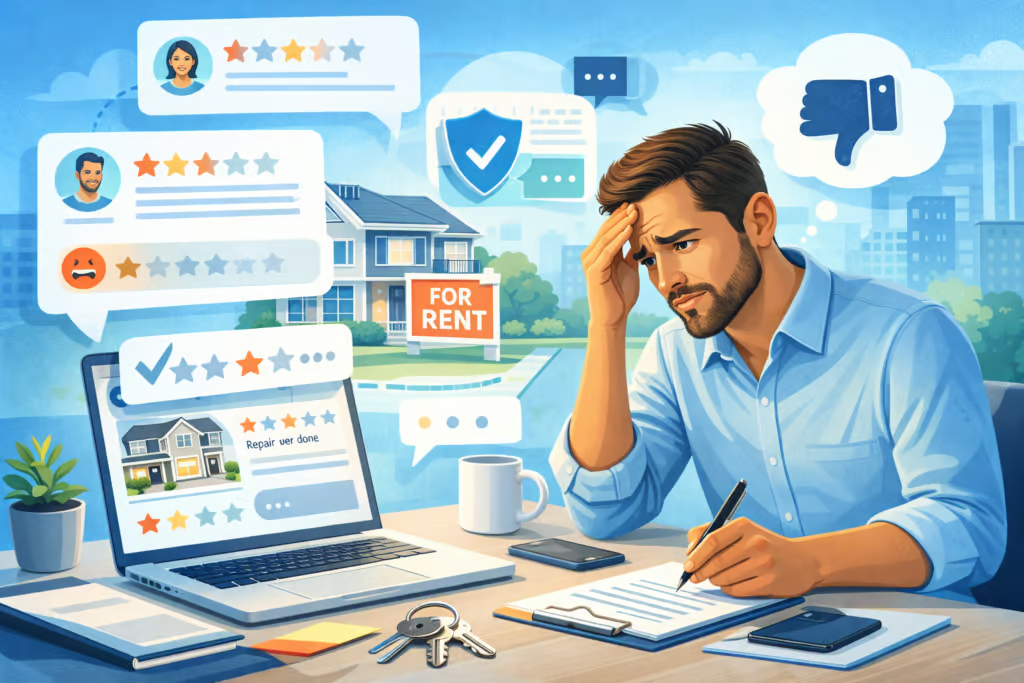
As someone who’s managed multiple rental properties for a long time, I know firsthand the importance of maintaining a positive reputation as a landlord, especially online. And a big part of that job centers around tackling negative reviews on your rental listings.
I’ve seen a lot of discussions lately in Facebook groups about what to do about negative comments on rental ads. Landlords and property owners are right to be concerned, as negative feedback dissuades renters from taking a chance on a property. For example, a 2023 study by Apartments.com found that 98% of renters consider negative reviews before deciding whether to apply for tenancy.
Given the significant role that online comments play in shaping renters’ perceptions of your rental property, knowing how to respond to negative listing reviews is vital. In this guide, I’ll share my best tips for handling criticism from tenants and what you can do to minimize the chance of it happening in the first place.
Where are negative rental property listing reviews usually found?
There’s no shortage of websites where aggrieved tenants can post scathing comments about your rental property. And because this negative feedback is available for the entire world to see, the consequences for your reputation (and profitability) are far-reaching.
Therefore, I strongly encourage you to regularly monitor your rental listings. That way, you can catch negative reviews quickly and deal with them accordingly to minimize their impact.
Of course, it’s not worth scouring the internet for every instance of a negative comment. So, focus on the most popular and accessible websites, where people routinely check out reviews and where posting reviews takes little effort. I recommend putting the following websites on your radar.
Facebook Marketplace. Anyone can rate a seller on Facebook Marketplace, including tenants who have a grudge against a landlord. Posting a negative review doesn’t take much—users just need to log in through the Facebook app on their smartphone. The platform doesn’t vet customer reviews.
Google Business Profile (Google Reviews). You’ve probably seen this five-star rating system when searching for a business on Google. Writing a review is a cinch, with few steps involved and no screening of comments. All that’s needed to post a review is a Google account, which most people have.
Yelp. One of the most popular review platforms, Yelp makes it easy and convenient for anyone to rate businesses and provide feedback. Registration isn’t required to submit a review, and the platform doesn’t have a vetting process, so negative reviews can pile up quickly.
Better Business Bureau. Customers can leave a review on the Better Business Bureau website about whether your rental business has BBB accreditation. Registration isn’t required to post reviews, which remain on your BBB profile for three years.
Apartments.com. Renters can submit a review on Apartments.com without registering an account. However, reviews are allowed only on properties that offer more than four units – single-family homes don’t qualify. The website also moderates reviews to ensure that comments are accurate, relevant, and genuine.
ApartmentRatings.com. Posting feedback about rental properties on ApartmentRatings is easy and convenient, though registration is required. The platform doesn’t vet reviews before they’re posted.
Rent.com. Anyone can submit personal feedback about a property listing on Rent.com. However, only verified residents (i.e., those who have used Rent.com to find and lease a property) can rate their overall living experience using the site’s five-star scale. The website moderates all reviews to ensure they’re appropriate and authentic.
What are the common reasons for negative comments on rental ads?
Tenants can post negative comments on your rental ad for various reasons. However, some are more likely to spur anger and frustration than others. Here are some of the most common causes behind negative reviews on rental listings.
Misleading property descriptions and photos
Negative reviews can ensue if your property doesn’t match a tenant’s expectations based on what they see and read in your rental ad. An example is presenting your property as being in better condition than it is by showcasing photos of only the best areas of the living space. Similarly, concealing key facts that tenants discover after moving in (or attending a viewing) can elicit backlash, such as failing to disclose that the rental is located near train tracks.
High rent price
Charging a rent fee that tenants believe is excessive is one of the surest ways to get hit with negative reviews. Subsequent increases in rent or additional charges, such as utility fees, may also motivate them to post negative comments on your ad.
Poor cleanliness
Tenants will judge you by how neat your rental property looks when they first move in. If it’s littered with garbage, grime, dust bunnies, and a shower that looks like it hasn’t been scrubbed in a year, they may be inclined to leave a scathing review.
Lack of property maintenance
No one wants to live in a rental property that lacks basic amenities like hot water, working appliances, and functional electrical outlets. If you fail to perform urgent repairs or address maintenance issues, tenants may express their frustration through a negative review.
Unresponsive or unprofessional property management
As a landlord, it’s your job to ensure your property is well-maintained and to address your tenants’ needs and concerns. Failing to shoulder your share of the duties outlined in the lease agreement can prompt a negative review.
Poor communication
In a study conducted by Fourandhalf (a property management marketing firm), the most frequent complaint tenants had against property owners was poor communication. Some examples include failing to respond to a tenant’s voicemails, keeping them in the dark about urgent property repairs, and being unavailable to address their questions and concerns.
Security deposit withheld
You’re legally entitled to keep a tenant’s security deposit if you feel it’s justified based on damage done to the property. However, if your tenant disagrees, they may be motivated to leave a negative review on your rental ad—and possibly take the battle to court.
Safety and security concerns
Lackluster security measures can create fear and frustration among tenants, especially if your rental is in a crime-ridden neighborhood. If you fail to alleviate their safety concerns, they can post their complaints online.
Excessive noise and disturbance
A reasonable level of noise from neighbors or the surrounding community is to be expected, primarily during the daytime. However, too much can negatively affect a tenant’s living experience at your rental, especially if you fail to warn them before they sign the lease.
Lack of privacy and unauthorized entry
Tenants have a right to privacy and to live in their rental undisturbed without good reason. Showing up at their doorstep unannounced or too frequently is a sure way to irritate them.

How do I improve the reputation of my listing?
It’s much easier to prevent negative reviews from appearing on your rental listings than to address them after the fact. Here are some tips for boosting your reputation as a landlord.
Ensure your listing represents your property accurately
While it’s okay to generate enthusiasm over your rental, never overhype or exaggerate what it has to offer. Tenants value honesty and transparency. Ensure your ad accurately reflects the features and benefits of your property. Avoid making false promises, take high-quality photos of each space in good lighting, and be upfront about any flaws your rental has.
Prepare the property well for viewings
Get your rental in top shape before inviting potential tenants for a tour. You only get one chance to make a positive, lasting impression, so ensure it’s presentable. Declutter and clean the premises and stage each room tastefully. If needed, make minor repairs and improvements, such as fixing broken appliances and applying a fresh coat of paint to the walls. Brainstorm ways to enhance your property’s curb appeal if renting out a single-family home.
Price your rental fairly
If you hurt a renter’s wallet, they can hurt your reputation through a negative review. So when choosing your rent fee, ensure it’s fair and reasonable based on your property’s age, condition, amenities, location, and other relevant factors. Learn more about how to calculate your rent fee.
Be professional and prompt in communications with renters
Gaining tenants’ trust and goodwill starts with clear, honest, and timely communication. So always prioritize your tenant’s needs and concerns when interacting with them – the last thing you want them to feel is that they’re being ignored. Be transparent about the screening process, the property’s conditions, and lease terms. Make yourself available to answer questions and meet requests by phone, email, or text message. Respond promptly to requests and regularly update them on the progress and timeline for resolving the issue.
Maintain the property in good working order
If something breaks down in your rental, it’s your responsibility to fix it, whether you do it yourself or hire someone. And you need to get the job done in a reasonable time frame. This is especially true regarding emergency repairs—if the furnace malfunctions during a cold winter night, you must get it up and running immediately. I strongly recommend regularly inspecting your property to catch potential problems before they materialize.
Comply with tenant screening laws
Legislation like the Fair Housing Act in the U.S. exists to protect renters from discrimination when renting a home. For example, it’s illegal to ask tenants questions about protected characteristics such as race, religion, or marital status. Ensure your tenant screening process complies with all local regulations and includes clear guidelines for each renter.
Respond to all negative reviews
Make it a habit to address all negative comments on your rental listings. Acknowledge the tenant’s experience and offer a solution to resolve the issue. Other potential tenants will see that you’re responsive to negative feedback and handle it professionally, which will bolster your reputation.
Our final thoughts
Given the ease with which people can post critical or downright toxic reviews of your rental property, it’s a mistake to ignore them. If too many of these comments appear on your rental ads, they can hinder your goal of attracting quality tenants and hurt your profitability.
Strive to monitor your rental ads and online review sites for negative reviews and address them as they show up. Rather than engaging in an online spat, acknowledge the individual’s experience and offer a solution that resolves their issue. Tackling negative reviews calmly and professionally will go a long way in strengthening your reputation among renters and your community.
Of course, being proactive can help discourage negative reviews from appearing in the first place. Learn more about how to prevent bad reviews as a landlord.
Learn more about Finding Tenants

