

- 20 Minute Read
Leasing vs. renting in Canada: What’s the difference?
Updated on Oct 22, 2026
Written By:
Verified By:
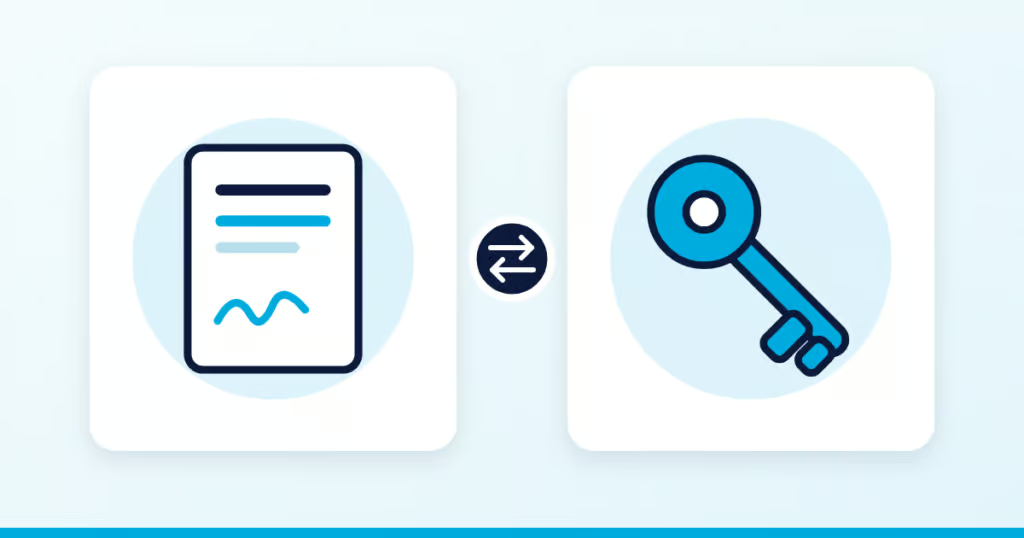
If you're renting out a property, you might be wondering whether there's a difference between leasing and renting. In Canada, the two terms usually mean the same thing. When you rent out your property, someone pays you to live there. A lease or rental agreement puts the terms you've agreed to in writing, including the rent, how long the tenant will stay and who's responsible for what.
What matters more than whether you lease or rent is whether you're offering a fixed-term lease or a month-to-month rental. A fixed-term lease covers a set period, such as one year, while a month-to-month rental continues until you or your tenant legally ends it. The rules vary by province, especially when it comes to what happens after a lease ends.
Here's what you need to know about lease vs. rent in Canada, how these agreements work and what to consider before choosing one for your property.
Ready to put your terms in writing? Create or upload your lease and send it to your tenant for e-signature with SingleKey eLease. Get started →
What's the difference between lease and rent?
Leasing and renting are two ways of describing the same basic relationship between you and your tenant. When someone rents your property, they pay you to live there. The lease is the agreement that sets out how that rental will work.
You might hear people use leasing to describe a longer commitment, such as a one-year lease, and renting to describe a shorter or month-to-month rental. That's a common way of using the words, but it isn't a legal rule across Canada. You can have a written lease for a month-to-month rental, just as you can have a fixed-term rental agreement.
Here's how the terms compare:
| Term | What it means | Example |
|---|---|---|
| Renting | Allowing someone to live in your property in exchange for rent | You rent out an apartment for $2,000 per month |
| Lease | An agreement that sets out the rental terms | You sign an agreement covering rent and responsibilities |
| Fixed-term tenancy | A rental with a set start and end date | You sign a 12-month lease |
| Month-to-month tenancy | A rental that continues each month without a set final date | Your tenant continues renting until the tenancy legally ends |
You can also advertise your property as either "for lease" or "for rent." In residential listings, the two phrases generally mean the same thing. What's important is that your listing and agreement clearly explain the type of rental you're offering.
Fixed-term lease vs. month-to-month rental: What's the difference?
A fixed-term lease runs for a set period, while a month-to-month rental continues without a set end date. Both can be covered by a written lease, but they work differently when it comes to how long your tenant agrees to stay and what happens when the rental period ends.
| Consideration | Fixed-term tenancy | Month-to-month tenancy |
|---|---|---|
| Duration | A set period, often 12 months | Continues each month |
| End date | Has a set end date | No set final date |
| Flexibility | You and your tenant agree to an initial term | Your tenant can generally leave with proper notice |
| Rent increases | Subject to provincial rent increase rules | Subject to provincial rent increase rules |
| Ending the rental | Depends on provincial law and the lease | Requires proper notice and a legal reason where required |
| What happens afterward | May automatically become month-to-month | Continues until legally ended |
Fixed-term tenancy
A fixed-term lease has a start and end date. If you sign an agreement running from January 1 to December 31, for example, your tenant has agreed to rent the property for 12 months.
This gives you a period to plan around when estimating rental income and managing your property. Your tenant also knows how long they've agreed to stay.
However, a fixed-term lease doesn't guarantee that your tenant will stay for the full year or that you'll automatically get the property back when the lease ends. If your tenant leaves early without a legal reason or your agreement to do so, they may still owe rent or other costs. You generally need to make a reasonable effort to find another tenant rather than leaving the property empty and charging the former tenant for the remaining months.
Month-to-month tenancy
A month-to-month rental continues from one month to the next without a set final end date. You don't have to sign a new agreement every month, and your tenant can generally leave by giving the required notice.
This can work well if you and your tenant want to keep renting without committing to another full year. However, your tenant may decide to move sooner than expected, leaving you to advertise the property and find someone new.
As the landlord, you also can't necessarily end a month-to-month rental whenever you choose. Many provinces have rules about when and why you can require a tenant to move out, even when there's no fixed end date.
What happens when a fixed-term lease ends in your province?
What happens after a fixed-term lease ends depends on where your property is located.
| Province | What generally happens when the fixed term ends |
|---|---|
| Ontario | Your tenant can generally continue renting month-to-month under the same agreement. You can't require them to leave just because the lease has expired. |
| British Columbia | Most fixed-term leases also continue month-to-month unless you and your tenant agree to another fixed term or a legal exception applies. |
| Alberta | A fixed-term lease generally ends automatically on the date in the agreement, without either party needing to give notice. You can agree to continue renting. |
Suppose you're renting out your property for one year because you plan to move back in afterward. In Alberta, a fixed-term lease may give you a clear end date to plan around. In Ontario, a 12-month lease wouldn't give you the same certainty because your tenant can generally stay after the term ends unless you have a legal reason to end the tenancy.
Is a lease the same as a tenancy agreement?
Yes. In Canada, lease, rental agreement and tenancy agreement are commonly used to mean the same thing: the agreement between you and your tenant about how the rental will work.
It covers details such as the rent, when payments are due, how long the tenant will stay, who's responsible for maintenance and any rules that apply to the property.
Although leases are usually written documents, some provinces also recognize verbal or implied agreements. An implied agreement can exist when you allow someone to live in your property and accept rent without signing a formal contract.
The rules for rental agreements differ by province:
- Ontario: You must use the Standard Form of Lease for most new private residential rentals.
- British Columbia: You need a written tenancy agreement that includes the terms required by provincial law.
- Alberta: Rental agreements can be written, verbal or implied. Most landlords don't have to use a standard government lease form.
Even where a written lease isn't required, it's still a good idea to have one. If you and your tenant disagree six months into the rental about whether parking was included, you can check the agreement instead of trying to remember what you discussed.
Your lease also needs to follow the rental laws in your province. You can't take away a tenant's legal rights by adding a clause that goes against those laws, even if the tenant signs it.
Should you offer a fixed-term or month-to-month tenancy?
Think about how long you plan to rent out the property, how much certainty you want about the initial rental period and what your province allows.
If you're keeping the property as a long-term investment, a fixed-term lease may be a good starting point. You and your tenant agree to an initial rental period, which can help you plan income, expenses and when you might need to find another tenant.
A month-to-month rental may make more sense if you and your tenant don't want to commit to another year. Your tenant can generally move out with proper notice, though, so you may need to advertise the property and screen applicants sooner than expected.
If you plan to sell, renovate or move into the property yourself, check your province's rules before deciding. For example, if you're renting out a property in Ontario, choosing a month-to-month rental doesn't mean you can require your tenant to leave whenever you're ready to sell. You'll still need a legal reason and must follow the proper process.
Neither option guarantees that rent will always be paid or prevents your tenant from leaving early. Choose the rental period that makes sense for your plans, but make sure you screen applicants carefully and clearly explain the terms in your lease.
What should you include in a rental or lease agreement?
Your lease should clearly explain what you and your tenant have agreed to, including how much rent they'll pay, what's included and who's responsible for looking after the property.
At minimum, your written lease should cover:
| Lease term | What to include |
|---|---|
| Landlord and tenant details | Your name and contact information, along with those of everyone signing the lease |
| Rental property | The full address and details of the unit, including parking or storage spaces |
| Rental period | When the rental starts, whether it's fixed-term or month-to-month, and any end date |
| Rent | How much your tenant pays, when it's due and how they can pay |
| Deposits and fees | Any deposits or extra charges allowed under provincial law |
| Utilities and services | Which utilities your tenant pays and which are included in the rent |
| Maintenance and repairs | What you're responsible for and what your tenant must take care of under provincial law |
| Property rules | Any legal rules about smoking, pets, parking or other matters |
| Additional terms | Other legal terms you've agreed to |
| Signatures | Your signature and your tenant's signature, where required, along with the dates |
Be specific about the terms
If your tenant pays electricity and internet while you cover water and heating, list those costs separately rather than writing "tenant pays utilities."
The same applies to property rules. If you're renting out a condominium, give your tenant a copy of the condo corporation's rules and make sure they understand what they need to follow.
You'll also need to use the correct lease form for your province. Ontario, for example, requires its Standard Form of Lease for most new private residential rentals, so a general lease template may not meet the requirements.
How should you create and sign the lease?
You can write your own lease, use a template suited to your province or create one with an online tool.
If you're preparing the lease yourself, you'll need to check that it follows provincial rules, add the terms for your property, arrange signatures and keep copies for your records.
SingleKey eLease gives you another way to do this. If your property is in Ontario or Alberta, you can use a lease builder made for your province. Landlords across Canada can also upload an existing lease and send it to tenants for electronic signatures.
Once everyone has signed, the completed lease is stored in your SingleKey account.
Create and sign your rental agreement online
Build your lease, add the terms you need and send it to your tenant for e-signature. Free to create, send and sign. No credit card required.
Create your lease with SingleKey eLeaseWhat else should you do before the tenancy begins?
Before handing over the keys, there are a few other things to take care of:
- Screen your tenant. Check the applicant's identity, income, employment, rental history and credit information, with their consent. You can do these checks yourself or use SingleKey Tenant Screening to review the information before signing the lease.
- Review the lease together. Make sure the rent, rental dates, utilities and property rules match what you've discussed. Include any parking or storage arrangements so there's no confusion later.
- Arrange rent payments. Agree on a payment method allowed in your province and decide how you'll track rent. If you want to automate the process, SingleKey Rent Collection can help you schedule and track payments.
- Get the property ready. Complete any required inspections, make sure the rental meets housing standards and arrange for your tenant to receive the keys and access devices.
Choose the right rental agreement for your property
Whether you offer a fixed-term or month-to-month rental, make sure you understand your province's rules and clearly explain what you and your tenant have agreed to.
You can write the lease yourself, use a template suited to your province or use SingleKey eLease to create, sign and store your rental agreement in one place.
Prepare your rental agreement with SingleKey eLease
Create or upload your lease, add your terms and send it to your tenant for e-signature. Free to create, send and sign.
Get started with eLeaseLeasing vs. renting FAQs
Is it better to lease or rent a property?
Leasing and renting generally mean the same thing in Canada. If you're comparing fixed-term and month-to-month rentals, the better choice depends on your plans for the property and the rules in your province.
Can you rent out a property without a written lease?
Yes, depending on your province. Alberta recognizes written, verbal and implied rental agreements, while Ontario requires its Standard Form of Lease for most new private residential rentals. Even where a written lease isn't required, having one gives you and your tenant a clear record of what you've agreed to.
What happens when a lease ends in Canada?
In Ontario and British Columbia, most fixed-term residential leases automatically continue month-to-month unless legally ended. In Alberta, a fixed-term lease generally ends on the date in the agreement without notice, unless you and your tenant agree to continue renting.
Can you increase rent during a lease?
That depends on the rental laws in your province and any rent controls that apply. You can't simply raise the rent whenever you want because your lease includes a clause allowing it.
What happens if your tenant breaks a fixed-term lease early?
If your tenant leaves before the lease ends without a legal reason or your agreement, they may still owe rent or other costs. You may also need to make a reasonable effort to find another tenant to reduce your losses. The rules depend on your province and the circumstances.
What's the difference between for lease and for rent?
Either term works for residential rentals in Canada. What matters is making the rental period, rent amount and other terms clear in your listing and lease.